







Search Results for: anaerobic fermentation
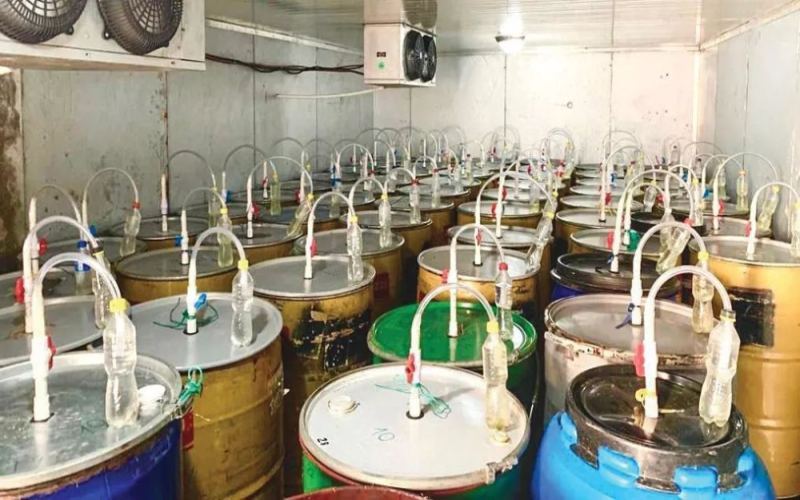
A Complete Guide to Anaerobic Fermentation Processing: The Differences Between Anaerobic Natural, Anaerobic Washed, and Double Anaerobic Methods
Anaerobic fermentation processing is a green bean processing technology that has attracted much attention in the coffee industry in recent years. Since Sasa Sestic, the 2015 WBC champion, brought it to the forefront, it has quickly swept through the specialty coffee world. Inspired by red wine-making techniques, this processing method injects carbon dioxide into a sealed container to expel oxygen, creating an oxygen-free environment that allows precise control of the fermentation process, giving coffee beans higher sweetness and more unique flavor layers. As processing technologies continue to evolve, experimental methods such as anaerobic natural, anaerobic washed, and double anaerobic have emerged one after another, each presenting distinctly different flavor expressions. This article will systematically sort out the principles and origins of anaerobic fermentation, and analyze one by one the process steps and flavor characteristics of these three common anaerobic processing methods, while also explaining them in conjunction with specific Front Street Coffee bean offerings. [more…]

Introduction to Anaerobic Fermentation in Coffee | What Is the Anaerobic Fermentation Processing Method? What Is the Difference Between Anaerobic Natural, Anaerobic Washed, and Double Anaerobic Coffee Processing Methods?
Anaerobic Fermentation has been very popular in the coffee world in recent years, mainly because Sasa Sestic, the Australian competitor who won the 2015 WBC, started this trend, and even in 2018 WB [more…]

A Complete Guide to Anaerobic Coffee Processing: Key Differences from Traditional Natural and Washed Methods and Flavor Expression
Anaerobic coffee has been appearing on coffee bean lists frequently in recent years. Although many people have tried it, they only have a vague understanding of its specific process, and some even develop an aversion to it due to unfamiliarity. In fact, anaerobic processing is not as complicated as imagined. In most cases, it simply adds an extra anaerobic fermentation step before traditional natural or washed processing. The depth of fermentation is precisely the key that determines the direction of coffee flavor. From the perspective of Front Street, this article sorts out the basic principles of anaerobic processing, common methods, and their connection with traditional processing. Combined with three specific beans, it helps readers understand the flavor differences brought by different anaerobic treatments, so they can find the cup that suits their taste. [more…]

How Anaerobic Fermentation Reshapes the Coffee Flavor Landscape: From WBC Championship to Santa Viny 96-Hour Natural
In recent years, the coffee consumer market has continued to expand, and various novel green bean processing methods have emerged one after another. The industry habitually refers to them collectively as special processing methods. These techniques give coffee a more diverse and distinctly individual flavor expression, and also bring richer layers of mouthfeel, thus winning the favor of a large number of enthusiasts. At present, the more mainstream special processing methods include anaerobic washed or natural, enzyme washed, lactic acid fermentation, and barrel-aged processing, among others. Among them, anaerobic fermentation has especially high exposure. This trend can be traced back to 2015, when the WBC World Barista Championship winner that year, Sasa Sestic from Australia, brought anaerobic fermentation processing into the public eye, and discussions around the fermented feel of coffee have not ceased to this day. This article will sort out the development of anaerobic processing, analyze the specific process of anaerobic natural, and introduce anaerobic-processed coffee beans such as Santa Vini currently sold by Front Street. [more…]

Rose Valley Flower Moonlight Coffee Beans Pour-Over Guide: A Complete Analysis of Anaerobic Enzyme Washed and Natural Processing Methods
Coffee enthusiasts' taste demands are becoming increasingly refined. The original terroir flavors produced by traditional washed and natural processing methods can no longer satisfy diverse expectations, and various specialty processing methods have emerged as a result. From the perspective of Front Street, this article systematically reviews the principles and classifications of anaerobic fermentation processing, compares the differences between natural fermentation and temperature-controlled fermentation, and provides an in-depth analysis of three processing workflows: anaerobic natural, anaerobic washed, and anaerobic enzyme-washed. At the same time, using Front Street Huayueye coffee beans from the Huila region of Colombia and Rose Valley coffee beans from Big Tree Estate as examples, it presents a complete approach from green bean processing to roasting curve selection, and then to pour-over parameter development, helping readers understand how specialty processing methods shape the flavors in the cup. [more…]
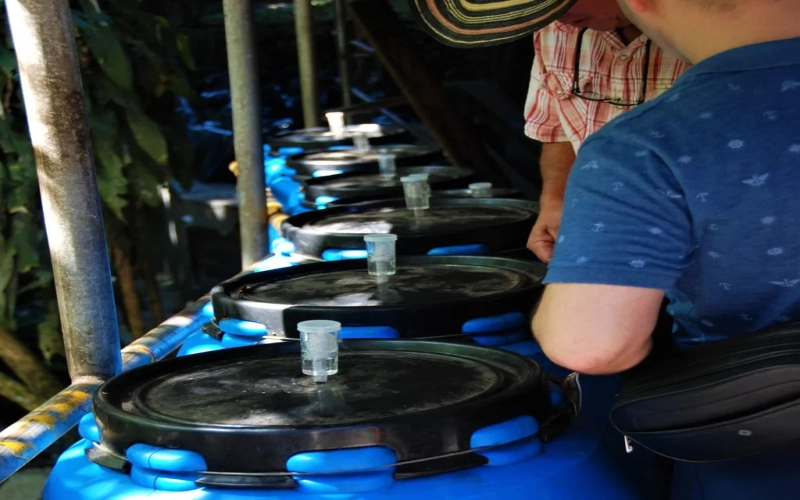
How Do You Distinguish Anaerobic-Processed Coffee from Flavored Coffee? Is Added Flavoring Harmful to Health? A Detailed Explanation of Special Processing Methods
In recent years, the processing method descriptions on coffee bean labels have become increasingly long, with various special processing methods, primarily anaerobic, emerging one after another. When many consumers drink anaerobically processed coffee with unique flavors, they wonder whether flavorings were added during roasting. This article sorts out the differences between anaerobic natural and anaerobic washed, explains why special processing methods are mostly led by well-funded estates, and cites the views of world champion Sasa to clarify the essential differences between flavored coffee and the addition of enzymes or yeast fermentation. It also answers questions such as whether anaerobic coffee is equivalent to flavored beans and whether it harms health, helping coffee lovers understand more transparently where the flavors in their cup come from. [more…]
What Is Anaerobic Coffee Processing? Anaerobic Natural vs. Anaerobic Washed Flavor Differences and Front Street Colombia Bean Menu Breakdown
In recent years, any coffee processing method that claims to be innovative seems unable to avoid the word "anaerobic." In fact, the principle of anaerobic processing is not complicated: whether fresh cherries are put into stainless steel tanks with one-way valves or sealed in bags with the air expelled, an oxygen-free environment can be achieved. The real difficulty lies in precisely controlling the degree of fermentation, not in the technique itself. As oxygen is gradually replaced by carbon dioxide, fermentation at a certain stage produces flavors reminiscent of stone fruit and peach. This discovery quickly triggered imitation across major producing regions worldwide, and anaerobic processing thus became popular. In addition to its signature flavors, anaerobic processing can also give coffee a dense mouthfeel and a sweeter aroma. This article will take several Colombian specialty coffees on Front Street Coffee's bean list as examples to specifically compare the taste differences brought by anaerobic natural and anaerobic washed processing. [more…]

What Exactly Is Coffee Fermentation? Analyzing the Differences Between Aerobic, Anaerobic, and Double Anaerobic Fermentation
In coffee tasting, "fermentation" is a term that is often mentioned but easily misunderstood. It does not mean that the coffee contains alcohol; rather, it describes an aroma and mouthfeel reminiscent of ripe fruit or even overripe fruit. Coffee itself is a fermented food, and its flavor is deeply influenced by the way it is processed. This article starts from everyday conversations at Front Street stores and systematically explains the essence and sources of fermenty notes, as well as the differences between aerobic fermentation, anaerobic fermentation, and double anaerobic fermentation. At the same time, we will also explore how the fermentation process shapes coffee's aroma and complexity, and recommend Front Street's natural, honey-processed, and anaerobic-processed coffee beans for different preferences, helping you find the cup that suits you best in your everyday purchases. [more…]

Anaerobic Fermentation and Red Wine Processing: The Principles, Evolution, and Front Street Brewing Practices of Specialty Coffee Bean Processing Methods
In recent years, anaerobic fermentation and red wine processing methods have continued to gain popularity in the specialty coffee world. From the promotion by 2015 WBC champion Sasa Sestic to the early explorations of Costa Rican coffee farmers, these processing techniques, which draw on winemaking ideas, have brought coffee rich flavors such as strawberry jam, fermented wine aromas, and tropical fruits. This article systematically reviews the scientific principles of anaerobic fermentation, its essential differences from traditional processing methods, and the specific operational workflow of carbonic maceration. It also combines two representative beans from Front Street Coffee—Colombia Flower Moon Night and Panama Hartmann—to share roasting and brewing parameters, helping coffee lovers gain a deeper understanding of the core logic of this special processing method. [more…]
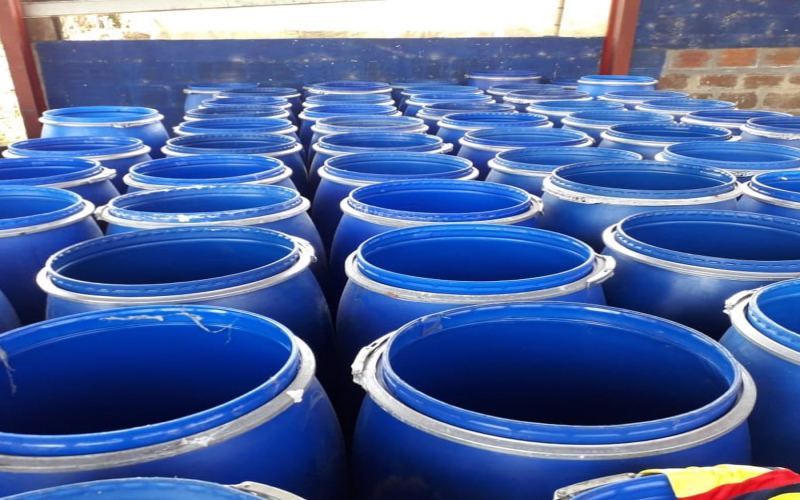
A Comprehensive Analysis of Specialty Coffee Processing Methods: The Craft and Flavor of Anaerobic Fermentation, Barrel Aging, and Wine Infusion
In recent years, an increasing number of specialty green coffee beans processed with special processing methods have appeared on the specialty coffee market. Is this really something to be happy about? Front Street Coffee believes that special processing methods were originally intended to give the flavor of coffee beans from a certain producing region more distinctiveness. However, as their use has continued to expand, some processing methods today seem to be more about masking the defects of the coffee beans themselves and then selling them at a high price. In fact, all special processing methods have evolved around the three traditional methods: washed, natural, and honey. This article will systematically sort out the most common types of special processing methods on the market, including anaerobic fermentation, barrel fermentation, and red wine processing, and, combined with Front Street Coffee's cupping experience and specific products, analyze their processing procedures and flavor characteristics. [more…]
Anaerobic Fermentation Coffee Processing Method Explained: Finca El Paraiso Double Anaerobic Flavor and Pour-Over Parameters
Anaerobic fermentation has attracted considerable attention in the specialty coffee world in recent years. Drawing on the idea of isolating oxygen from winemaking, it allows coffee beans to develop rich, layered flavors in an oxygen-free environment. This article takes the double anaerobic fermentation coffee from Finca El Paraiso in Cauca, Colombia, as an example to explain in detail the basic concept of this processing method, product information related to Front Street Coffee, and the complete flavor performance from dry aroma to hot drinking and through to cooling. It also includes the actual pour-over equipment and brewing parameters for coffee lovers to reference and practice. [more…]

Front Street Coffee Rose Valley Double Anaerobic Enzyme Washed Process Explained: A Complete Guide to Flavor Sources and Brewing Techniques
Front Street Rose Valley coffee beans have become a favorite among many coffee lovers thanks to their unique flavors of rose, peach, and liqueur chocolate. Where exactly does this bean's alluring aroma come from? The answer lies in the double anaerobic enzyme washed processing method it uses. This article will break down each stage of this processing method step by step, from the coffee cherry's first anaerobic fermentation to the coffee bean's second enzyme anaerobic stage, and then to the drying stage, helping readers understand the principles behind the formation of these special flavors. At the same time, in response to the brewing difficulties of this type of anaerobically processed coffee bean, the article will also share practical techniques such as grind size calibration, water temperature control, bloom assessment, and three-pour brewing, so that you can consistently bring out the rich fruity aroma and sweetness of Front Street Rose Valley at home. [more…]

What Makes Anaerobic Process Coffee Beans So Special? A Full Breakdown of Their Differences from Natural and Washed Processes and Their Flavor Characteristics
Anaerobically processed coffee beans have always been a hot topic among enthusiasts—some are captivated by them, while others find the flavors too unconventional. Compared with traditional methods like natural and washed, the anaerobic fermentation process still feels unfamiliar to many, which makes it prone to misunderstanding and controversy. Today Front Street Coffee will talk about what anaerobic processing is, how it differs from natural and washed, and what characteristics anaerobically fermented coffee beans display. [more…]
A Detailed Explanation of the Anaerobic Double Fermentation Process: The Flavor Code and Processing Craft of Colombian Rose Valley Coffee
Anaerobic fermentation has garnered significant attention in the specialty coffee world in recent years, and double anaerobic fermentation has become a popular choice thanks to its clean finish and distinctive flavor profile. Starting with the anaerobic processing methods introduced by Front Street Coffee, this article takes a deep dive into the origin background of the Colombian Rose Valley beans, the cultivation and processing details at Big Tree Estate, and how anaerobic double enzyme washed processing imparts better sweetness and balance to the coffee. If you are interested in the principles and flavor expression of special processing methods, this article will take you on a journey of discovery. [more…]
Colombian Coffee's Volcanic Terroir and Processing Methods: A Comprehensive Analysis from the Huila Region to Anaerobic Fermentation
Colombia, with its high mountains and flowing water, volcanic fertile soil, and abundant rainfall, is regarded as a natural treasure trove for coffee cultivation. Between 2008 and 2011, the country's coffee won the championship four years in a row at the SCAA Cup of Excellence competition, a record that even surpassed Panama Geisha's BOP three-peat. This article will take an in-depth look at the terroir characteristics of Colombia's major specialty coffee regions, covering Huila, Tolima, Cauca, and Nariño, and will focus on key varieties such as Caturra, Colombia, and Castillo. At the same time, Front Street Coffee will use a practical comparison of Flower Moon Night and Rose Valley to help you understand the specific effects of washed, anaerobic natural, and double anaerobic enzyme-washed processing methods on flavor direction. [more…]
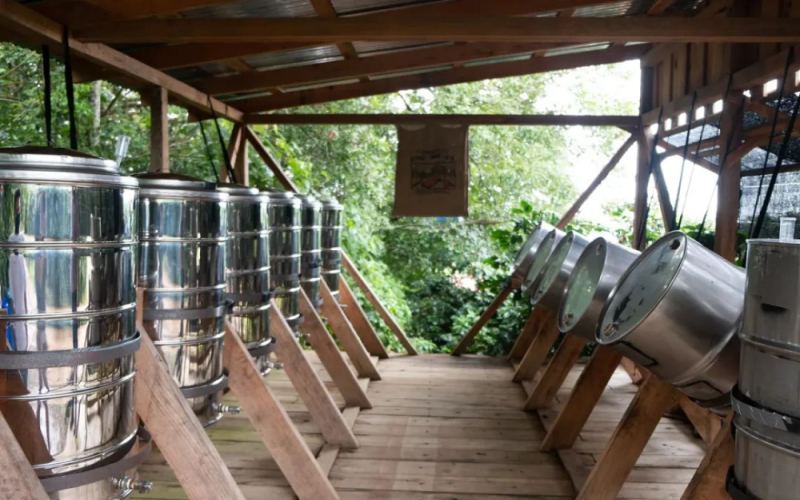
A Comprehensive Analysis of Special Coffee Processing Methods: Does Anaerobic Enzyme Processing Count as Flavored Beans?
In recent years, traditional coffee processing methods have become increasingly rare, and even premium producing regions such as Ethiopia and Panama Geisha have begun to embrace special processing methods. From the emergence of anaerobic honey processing in 2014 to five of the top six finishers at the 2018 WBC using anaerobic fermented beans, special processing methods rapidly swept the market. Among them, "anaerobic enzyme processing" has sparked the most discussion—what exactly are enzymes? Are they the same thing as flavored beans? Starting from the nature of enzymes and the background of the rise of special processing methods, and incorporating the views of WBC champion Sasa, this article clarifies the boundary between flavored coffee and fermented flavors, helping coffee enthusiasts view this new wave of processing methods rationally. [more…]
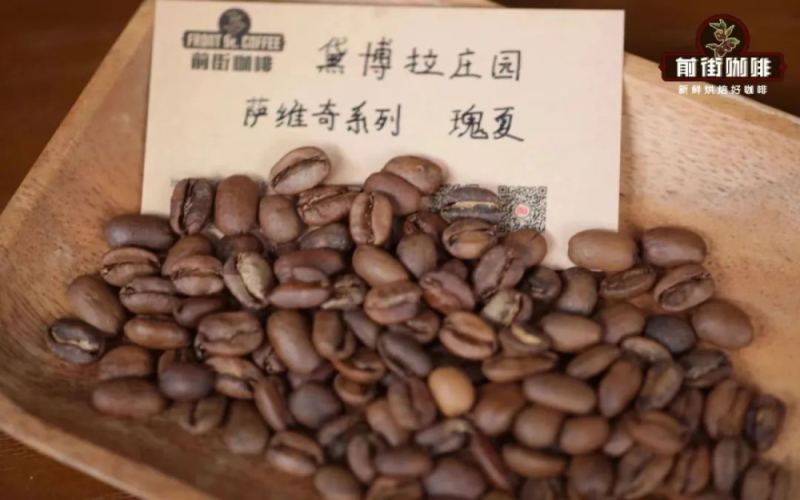
Anaerobic Fermentation Coffee Bean Flavor Analysis: A Complete Interpretation from Processing Principles to Practical Workflow
While classic methods like washed, natural, and honey processing are already widely known, emerging techniques such as anaerobic, enzyme-assisted, and carbonic maceration are appearing one after another, opening up new possibilities for coffee flavor. These processing methods often give coffee beans a distinctive flavor profile, sparking curiosity about the principles and operations behind them. This article focuses on the key step of anaerobia, explaining how it builds upon traditional processing methods and, through the action of microorganisms in an oxygen-deprived environment, converts sugars into lactic acid, acetic acid, and aromatic compounds such as esters and aldehydes, thereby creating special experiences like yogurt-like acidity. The article also combines tasting impressions of the Front Street Coffee Deborah Estate Savage Series Anaerobic Natural Geisha to guide you from theory to practice in fully understanding the characteristics and processing flow of anaerobically fermented coffee beans. [more…]
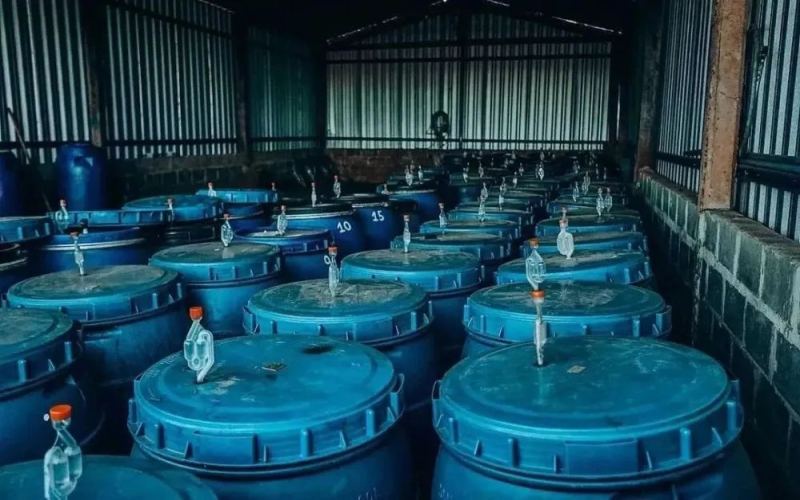
Why Are Coffee Processing Methods Increasingly Diverse? An Analysis of the Naming Logic and Evolution of Anaerobic Fermentation
Today, coffee processing methods are emerging one after another. Behind this lies both the pursuit of expanding the flavor map and a deeper shift in the purpose of processing from efficiency-oriented to flavor-oriented. From the pre-18th century when only the natural method existed, to the successive advent of washed, honey, and wet-hulled methods, and then to 2014 when anaerobic fermentation swept through the specialty coffee world, each technological innovation has been accompanied by a deeper understanding of fermentation principles. At the same time, in order to highlight their own anaerobic processing characteristics, estates have put great effort into naming—time, temperature, and microbial strains can all become identifiers. This article sorts out the origins and development of processing method evolution, interprets the logic behind anaerobic processing naming, and explores the role of traceability information in promoting naming standardization. [more…]
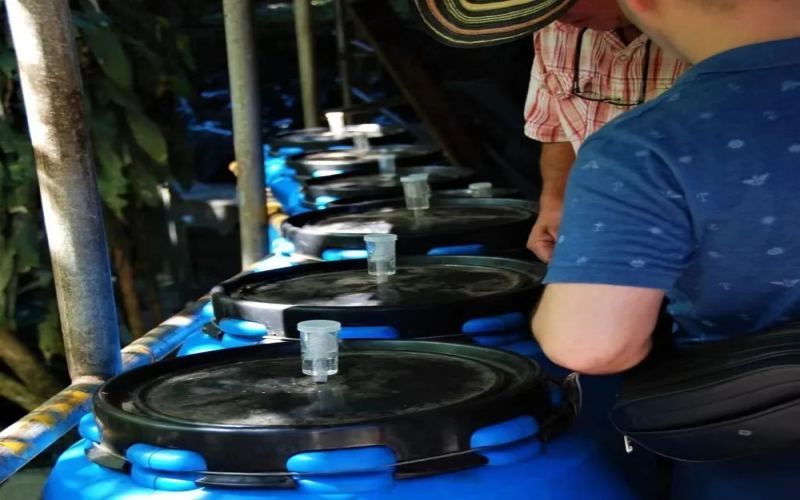
A Complete Guide to Coffee Enzyme Washed Processing: Anaerobic Fermentation Principles, Caturra Variety Characteristics, and Rose Valley Flavor
In the world of specialty coffee, innovative processing techniques are emerging one after another, with methods such as anaerobic fermentation, enzyme-assisted processing, and carbonic maceration gradually coming to the fore. This article focuses on anaerobic enzyme washed processing, a rather controversial method, analyzing it step by step—from the principles of fermentation, to the classic practice at Colombia's Finca El Diviso, to the botanical characteristics of the Caturra variety, and finally to Front Street Coffee's roasting and brewing approach. Through the representative product Rose Valley, readers can understand how double anaerobic enzyme washed processing affects coffee's acidity, sweetness, and overall flavor balance, and why it delivers a juice-like mouthfeel. [more…]
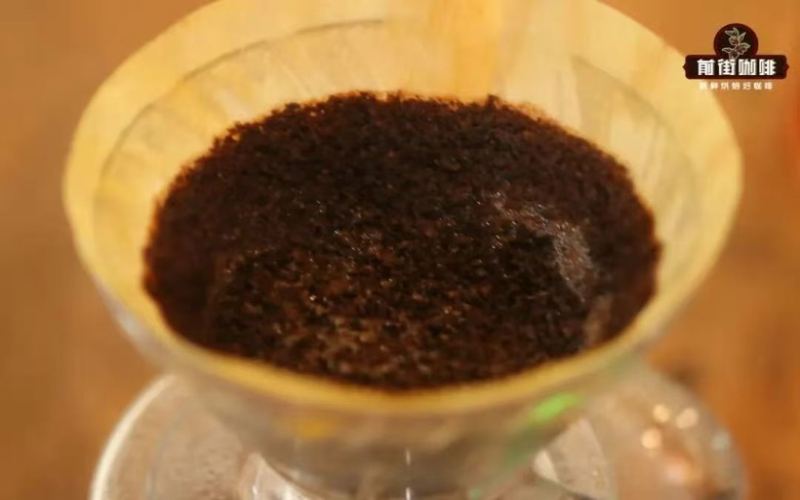
The Flavor Spectrum of Experimental Processing Methods: From Barrel Fermentation to Anaerobic Maceration
Anaerobic natural, lactic fermentation, barrel-aged, yeast inoculation—the vocabulary of specialty coffee processing methods has exploded in recent years, and coffee menus increasingly read like a brewery's process manual. These experimental processing methods are not marketing coinages; each one corresponds to a genuine technological innovation. This article maps out the mainstream lineage and examines "flavor alchemy." [more…]